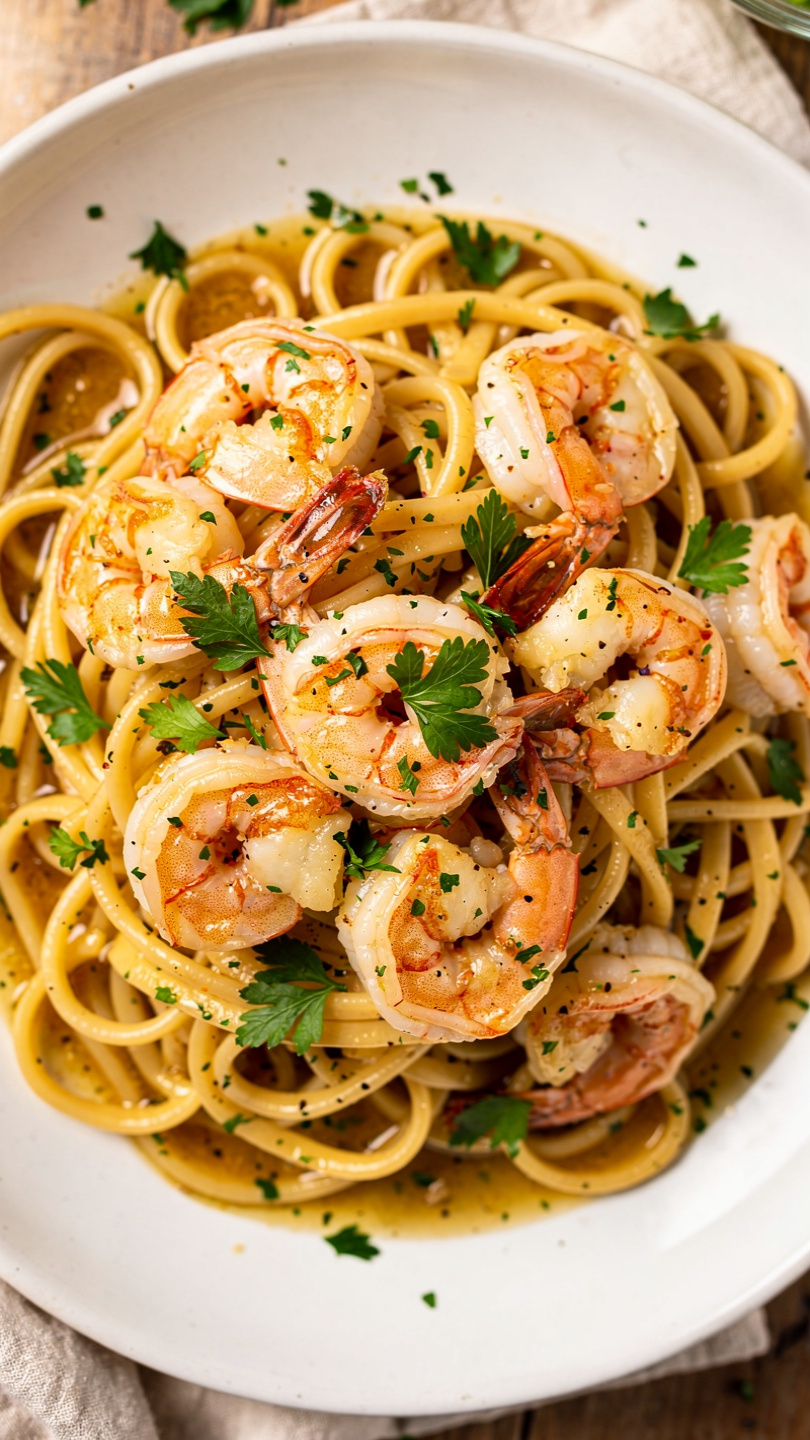
Shrimp Scampi Without Lime (Classic Garlic Butter Perfection)
This classic shrimp scampi without lime is a rich, garlicky butter sauce recipe made entirely on the stovetop in under 30 minutes. Perfect over pasta or on its own, it is the best shrimp scampi recipe for weeknights and dinner parties alike.

The Best Shrimp Scampi Without Lime (And Why You Do Not Need It)
Let's settle something right away: the classic, beloved shrimp scampi you grew up ordering at Italian-American restaurants was never made with lime. Not even close. Traditional shrimp scampi is all about garlic, butter, white wine, and a bright squeeze of lemon, cooked hot and fast in a skillet until the sauce is silky, glossy, and absolutely irresistible.
If you have been searching for a shrimp scampi recipe without lime, you are in exactly the right place. This stovetop shrimp scampi comes together in under 30 minutes, works with both raw shrimp and pre-cooked shrimp, and delivers that restaurant-quality garlic butter sauce every single time. Whether you are tossing it with pasta for the best shrimp scampi recipe pasta night of the week or serving it on its own as a luxurious appetizer, this one is going to become a regular in your rotation.
Why This Simple Shrimp Scampi Recipe Works Every Time
There are a few reasons this recipe stands out from the crowd, and none of them are complicated.
- The sauce is built in layers. You bloom the garlic in a mix of olive oil and butter, deglaze with white wine, then finish with cold butter swirled in off the heat. That technique, called monter au beurre, is what gives the sauce that restaurant-style glossy finish.
- Lemon does the heavy lifting. Without lime competing for attention, you get a cleaner, brighter citrus note that complements the shrimp without overpowering the garlic and butter.
- It works with any shrimp. Raw shrimp recipes easy enough for a Tuesday, or a shortcut with pre-cooked shrimp scampi when you need dinner on the table in 15 minutes. Both work beautifully here.
- The pasta water is your secret weapon. That starchy, salty water you reserve from boiling the linguine acts like a natural sauce binder, helping the garlic butter cling to every strand of pasta.
Before we get into the technique, it is worth mentioning that the right pan makes a noticeable difference here. A wide, heavy-bottomed skillet gives the shrimp room to sear rather than steam, and it gives the sauce enough surface area to reduce quickly and evenly. Good-quality extra virgin olive oil and real unsalted butter (not margarine) are the two ingredients worth spending a little extra on.
Skillet Shrimp Scampi: The Stovetop Method Explained
This is a stovetop shrimp scampi recipe through and through. No oven, no baking sheet, no waiting. Here is what you need to know before you start:
Start With Dry Shrimp
Whether you are using raw or pre-cooked shrimp, pat them bone dry with paper towels before they hit the pan. Moisture is the enemy of a good sear. Wet shrimp steam instead of caramelize, and you lose that delicate golden color that makes skillet shrimp scampi so visually stunning.
Do Not Rush the Garlic
Sliced garlic cooked low and slow in butter and olive oil becomes sweet, nutty, and deeply aromatic. Burnt garlic, on the other hand, turns bitter and can ruin the entire dish. Keep the heat at medium and stir constantly during that 60 to 90 second window. The moment it turns lightly golden and fragrant, it is ready for the wine.
Let the Wine Reduce Properly
Pour in your white wine and let it bubble and reduce by half before adding anything else. This cooks off the harsh alcohol and concentrates all those savory, slightly acidic wine flavors into something genuinely complex. If you prefer an alcohol-free version, low-sodium chicken broth works as a reliable substitute.
Chef's Tip: Add your butter at the very end, off the heat or over very low heat, one tablespoon at a time. This keeps the sauce emulsified and glossy rather than greasy and broken. Patience here pays off in a big way.
Raw Shrimp or Pre-Cooked Shrimp: Which Is Better?
Honestly, both are great depending on your situation.
Raw shrimp gives you the most control. You sear them in the pan, build flavor directly in that same pan, and finish cooking them in the sauce. The result is incredibly tender, juicy shrimp with a slightly sweet, caramelized exterior.
Pre-cooked shrimp is the ultimate weeknight shortcut. Skip the initial sear entirely, build your garlic butter wine sauce, then add the pre-cooked shrimp at the very end just to warm through. Dinner is on the table in genuinely 15 minutes. Just do not let them sit in the heat too long or they will go rubbery fast.
For raw shrimp recipes easy enough for beginners, always look for shrimp labeled 16/20 or 21/25 (these numbers indicate shrimp per pound). Jumbo shrimp in that range are meaty enough to hold their own against the bold garlic butter sauce.
Shrimp Scampi No Pasta? Yes, That Works Too
Not everyone wants pasta. Here are a few serving ideas that make this dish shine on its own:
- Over crusty sourdough bread toasted with a brush of olive oil and a little garlic
- Over zucchini noodles for a lighter, low-carb version that still feels indulgent
- Over cauliflower rice for a complete, grain-free dinner
- As an appetizer with crostini on the side and extra parsley on top
The sauce is genuinely good enough to eat with a spoon, so whatever you pair it with is going to taste incredible.
Ready to make it? Here is the full step-by-step recipe:
Shrimp Scampi Without Lime (Classic Garlic Butter Perfection)
This classic shrimp scampi without lime is a rich, garlicky butter sauce recipe made entirely on the stovetop in under 30 minutes. Perfect over pasta or on its own, it is the best shrimp scampi recipe for weeknights and dinner parties alike.
Ingredients
- 1 1/2 lb large shrimp, peeled and deveined, fresh or pre-cooked
- 12 oz linguine or spaghetti, cooked al dente, reserve 0.5 cup pasta water
- 4 tbsp unsalted butter, divided
- 3 tbsp olive oil, extra virgin
- 6 garlic cloves, thinly sliced or minced
- 1/2 cup dry white wine, such as Pinot Grigio or Sauvignon Blanc
- 1/4 cup chicken broth, low sodium, as a substitute for extra wine if preferred
- 1 lemon, juiced and zested
- 1/2 tsp red pepper flakes, adjust to taste
- 1 tsp kosher salt, plus more to taste
- 1/2 tsp black pepper, freshly cracked
- 1/4 cup fresh flat-leaf parsley, roughly chopped, for garnish
- 1/2 cup Parmesan cheese, freshly grated, optional for serving
Instruction
Bring a large pot of heavily salted water to a boil. Cook the linguine according to package directions until al dente. Before draining, reserve about 0.5 cup of the starchy pasta water. Set pasta aside.
If using raw shrimp, pat them completely dry with paper towels and season lightly with salt and black pepper. If using pre-cooked shrimp, set them aside at room temperature while you build the sauce.
In a large skillet or wide saute pan over medium-high heat, warm 2 tablespoons of the olive oil and 2 tablespoons of the butter until the butter is melted and just beginning to foam.
For raw shrimp: Add the shrimp in a single layer and cook for 1 to 2 minutes per side until pink and just opaque. Do not overcook. Transfer to a plate and set aside. (Skip this step for pre-cooked shrimp.)
Reduce heat to medium. Add the remaining 1 tablespoon of olive oil to the pan. Add the sliced garlic and red pepper flakes and cook, stirring constantly, for about 60 to 90 seconds until fragrant and lightly golden. Be careful not to burn the garlic.
Pour in the white wine and chicken broth. Increase heat to medium-high and let the liquid simmer and reduce by about half, approximately 3 to 4 minutes, scraping up any browned bits from the bottom of the pan.
Add the lemon juice and lemon zest. Stir to combine and let cook for another 30 seconds.
Reduce heat to low. Add the remaining 2 tablespoons of butter, one tablespoon at a time, swirling the pan to emulsify the sauce until it looks glossy and slightly thickened.
Return the cooked shrimp (or add pre-cooked shrimp now) to the pan and toss gently to coat in the sauce. Heat through for 1 to 2 minutes. Taste and adjust salt and pepper as needed.
Add the drained pasta directly to the skillet. Toss everything together, adding splashes of reserved pasta water as needed to loosen the sauce and help it cling to the noodles.
Plate immediately and garnish generously with fresh parsley and Parmesan cheese if desired. Serve with crusty bread on the side.
Equipment
- Large pot (for boiling pasta)
- Large skillet or wide saute pan (12-inch recommended)
- Colander
- Tongs or pasta tongs
- Microplane or zester
- Measuring cups and spoons
- Cutting board and chef's knife
Notes
Storing and Reheating Leftovers
Shrimp scampi is best eaten the moment it comes off the stove, but if you have leftovers, here is how to handle them well.
Store everything in an airtight container in the refrigerator for up to 2 days. When reheating, skip the microwave if you can. The microwave tends to overcook shrimp quickly and can make the sauce separate into something greasy. Instead, warm it gently in a skillet over low heat with a small splash of water or chicken broth to revive the sauce.
For make-ahead convenience, the garlic butter wine sauce base can be prepped a day in advance and kept in the fridge. When you are ready to serve, simply reheat the sauce, cook fresh pasta, add the shrimp, and dinner is done in under 10 minutes.
This is simple shrimp scampi at its most honest and most delicious. No lime, no shortcuts on flavor, just a classic done right.